
Marketing personalization is more than just adding your first name in the subject line of an email. Nowadays, consumers expect brands to understand their needs in terms of values, motivations, and needs before any message ever gets to them. With attention spans decreasing and ad fatigue is increasing relevancy is the most important factor for performance.
The majority of personalization efforts rely on static information. While data on demographics, behavior in the past, and basic interests can provide a hint however, they’re never sufficient to determine why someone responds or ignores an email. The current Marketing AI starts to shape the market by bridging the gap between human and data understanding.
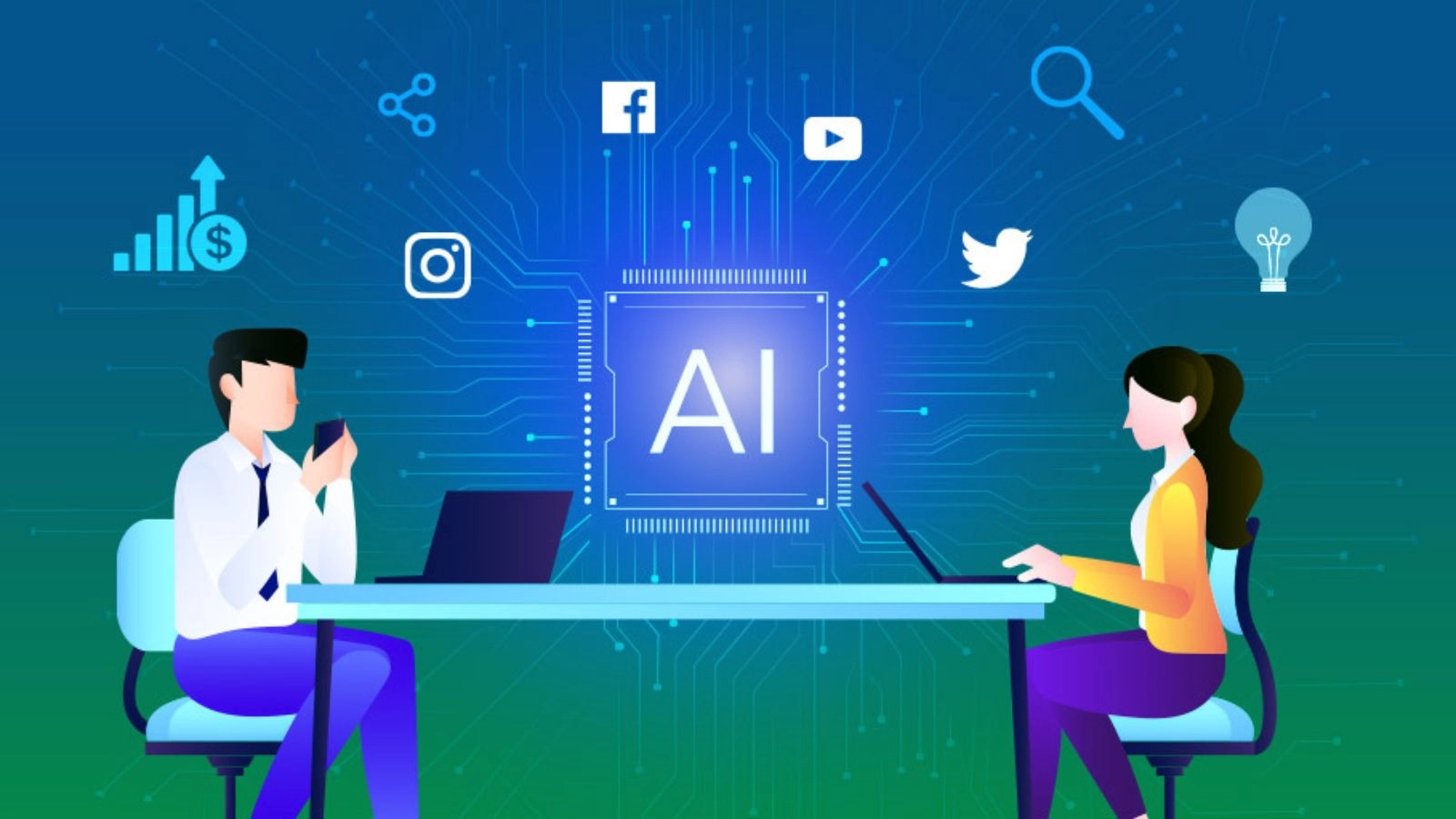
When audience research is an actual conversation
Imagine being in a position to instantly engage with an entire audience, exactly as you would in a audience. You could ask questions, test concepts and improve your message. Elaris introduces this new paradigm by transforming analysis of audience and segmentation into an interactive experience, in which marketers are able to interact directly using models that are psychologically based instead of relying on reports.
Instead of relying on static personas to represent various groups, marketers should look at how they think, the factors that drive their decisions and what messages are the most effective. Conversational methods transform audiences research from an inefficient once-off process into an ongoing feedback loop that affects each stage of a campaign.
The benefits of AI in marketing Strategic Decision Making
Marketing AI isn’t only about speed but also about clarity. Artificial intelligence built by combining psychological and behavioral sciences can provide insights that go beyond the performance metrics. It helps marketers to understand emotional triggers, confidence signals, risk tolerance and value perception.
This helps teams make better decisions earlier in the process. Before investing a dime in ads, marketers can validate the tone, creativity, and positioning of their advertisements. This results in less revisions, more alignment, and more confident implementation.
The AI Ad Generator That Thinks Like Your Target Audience
An AI Ad generator becomes far more effective when it can comprehend people, not just patterns. With the help of psychological profile templates rather than generic templates, ads is able to be created to match messages to specific audiences’ process of processing information as well as their decision-making.
Ad creativity is now created differently. Marketers can create less ads with more resonance, instead of creating many variations, hoping one of them will work. Headlines and messages, emotional framing of ads and calls-to-action are all determined by the viewer’s perspective rather than preconceived notions.
Ad Creative Based on Psychology and not Guesswork
Effective Ad creative doesn’t shout louder it speaks more clearly. Creativity that is in line with the audience’s inner motivations appears more natural rather than intrusive. The psychology behind creativity can reduce friction and build trust faster. This directly affects the conversion rate.
Marketing AI enables brands to maintain their consistent voice while tailoring messages to various audiences. This balance allows for personalization, without losing brand recognition. Whatever the purpose is, whether it’s awareness, engagement, or conversion, a creative approach rooted in human behavior performs more consistently across different channels.
Scaling personalization in marketing without compromising quality
One of the major obstacles to advanced marketing personalization has been scale. The process of developing tailored content for different audiences can be rushed and result in diluted messaging. AI changes this by allowing personalized content to be scaled, without compromising quality or quality.
Marketers can create high-quality content quicker thanks to smart automation and psychologically grouped audience. They will also be able ensure that all messages are aligned with actual human understanding. Personalization becomes more sustainable and manageable.
The Future of Marketing Is Human-Centered AI
In the future, the term “marketing” is not defined by increasing the amount of data, but rather having a deeper understanding. The use of AI-driven marketing and personalization in psychology allows companies and brands to move beyond simply targeting consumers and actually connect with them.
As AI Marketing continues to evolve the companies that will be successful are those who use AI Ad generators to create creative ads that feel real, meaningful and distinctively humans.