
Cooking oil is just one of the common ingredients used often, but do not even. It’s simple to grab the closest bottle and believe it’ll work for all purposes. The truth is that oils behave quite differently depending on temperature as well as flavour and composition. Understanding these differences is among the most effective ways to cook better food at home.
When deciding between coconut oil, or avocado oil for cooking, the decision shouldn’t be solely based on headlines or trends. It’s important to look at the performance of each oil when applied in real-life cooking.
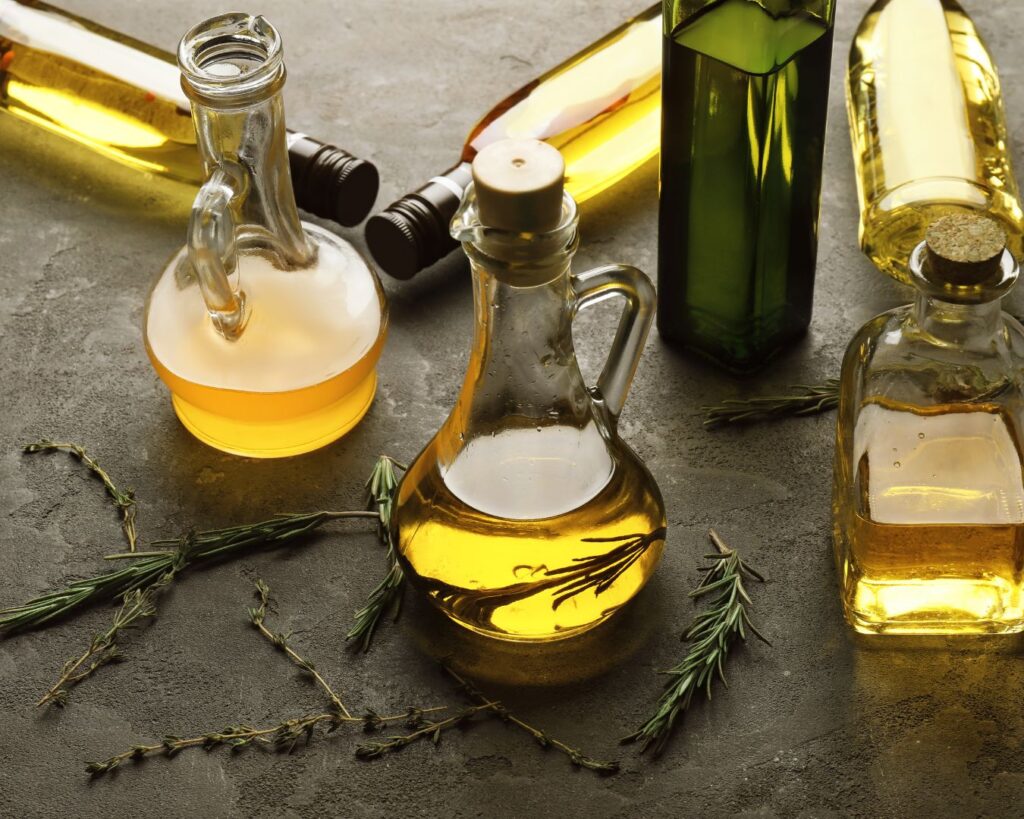
The significance of choosing the right oil is more important than you believe
Oil performs three crucial functions when cooking. It first helps to transfer heat to food items. In addition, it imparts taste, but not notably or subduedly. Third, it affects nutrition dependent on the type of fat as well as its stability when heated to high temperatures.
When oil gets too hot it doesn’t just smoke it starts to break down. This could reduce the nutrition value of foods items and produce unpleasant flavors. An oil that is not the right one will make food taste bland, bitter or greasy even the best recipe.
When using olive oil in cooking, it is best to make use of it with intention
Olive oil is among the most frequently used and extensively researched cooking oils. It is made by pressing olives. It contains a large amount of monounsaturated oil, as well as antioxidants including polyphenols.
Extra virgin oil is spicy, strong and fruity. Olive oil is a great ingredient to cook with, and is particularly good for marinades and salad dressings. It can also be used to roast vegetables, lightly sauté, or as a finishing touch to meals. When you cook with olive oil the flavor of food isn’t diminished but improved.
Extra virgin olive oil does not possess the same smoke point as many people believe. In cooking that requires higher temperatures refined olive oils are superior. It has a lighter flavor and is more resistant to heat and is therefore better suited for baking, frying, and roasting at higher temperatures.
When used in the right way If used appropriately, olive oil provides nutritional and flavour benefits. However, it is ideal when the temperature is kept under control.
Coconut Oil A Stable, Specific Oil
Coconut oil has a different behavior than olive oils. Coconut oil is very stable because it is a great source of saturated fat. This stability is the main reason people choose coconut oil for cooking.
Coconut oil refined has a mild flavor and is ideal for frying or baking where heat stability is critical. Unrefined coconut oil offers a distinctive coconut scent and flavor. Its flavor is beneficial in certain dishes, such as curries, stir-fries or desserts. However, it can be a problem with meals that are savoury when used in a hurry.
Coconut oil should not be used as a staple on a daily basis. It is best to use it occasionally. Coconut oil is excellent at temperatures that are high, however it doesn’t have the antioxidants that avocado and olive oils have.
Avocado oil is a heat-friendly and neutral
Avocado oil has gained popularity mostly due to how well it is able to handle heat. Avocado oil for cooking boasts one of the top smoke points among commonly used oils, making it ideal for searing, roasting, grilling, and cooking.
In terms of nutrition, avocado oil is high in monounsaturated fats and contains vitamin E, putting it closer to coconut oil and olive oil in terms of health benefits. The mild, neutral taste is an excellent option to avoid the oil affecting the flavor of food.
When cooking with high temperatures, avocado oil is a reliable choice. It’s also a nutritious fat.
How to Use Oils Smartly
The best oil for every situation is not the one that works to meet the needs of every project. The most practical approach is to have several options available and make sure to use them all in a planned manner.
Olive oil is the best choice when taste and nutrition are the most important factors. Avocado oil is ideal for high-heat cooking. Coconut oil is a good option when you wish to ensure heat stability or if the distinctive flavor is what you’re looking for.
Understanding these differences can eliminate the confusion from cooking, resulting in more predictable results.
Better Cooking Starts With the Right Basics
A good meal doesn’t require expensive ingredients or intricate techniques. It’s usually about simple, educated choices that are consistently made.
Understanding the right time to use olive oil, coconut oil, and avocado oil to cook is among the most effective methods to improve flavor and texture as well as confidence in the kitchen. If you are aware of the way oils behave, cooking can be much easier and more enjoyable.