
The color can be just what the buyer wanted, but several hours in the wig brings out a problem with cap comfort. For another wearer, the appeal of the natural-looking hairline comes with a drawback: twenty minutes spent adjusting lace each morning is more than they want. A third customer orders an otherwise beautiful wig and discovers that its density feels surprisingly heavy.
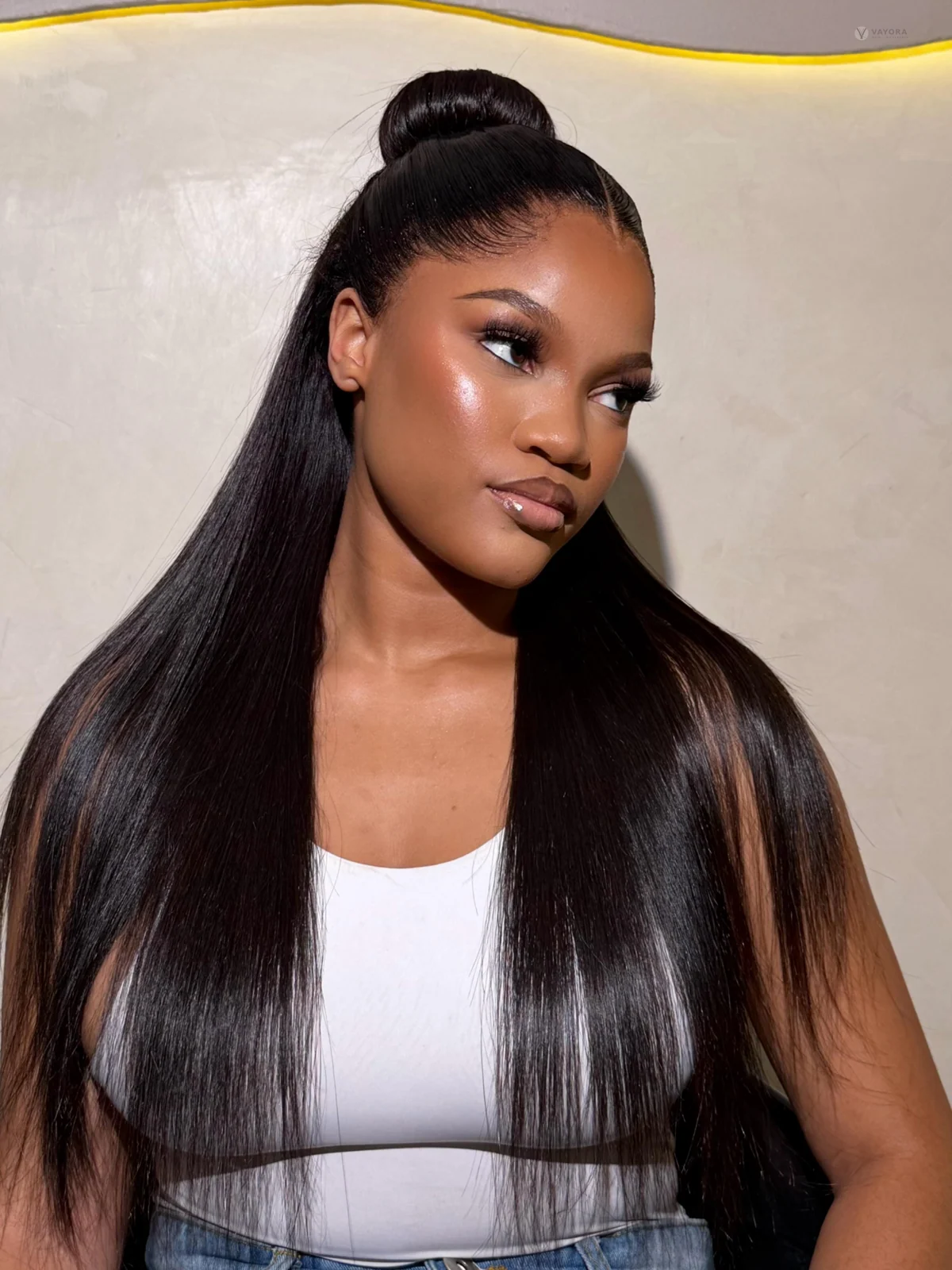
Image credit: vayorahair.com
To a brand selling wigs, these comments represent more than routine feedback. They highlight opportunities to create wigs customers actually enjoy wearing.
The most recent viral look is not necessarily the basis of a successful wig collection. They’re built around understanding what customers want to experience when they put a wig on.
What Buyers’ Concerns Tell a Brand
When wearers explain their needs, they generally do not speak in factory terminology. The language customers use reflects practical priorities: comfort, convenience, appearance, and confidence. A glueless construction could be one response to feedback about making mornings easier. An unconvincing hairline may signal a problem with the appearance of the lace, knot treatment, density, or the way the part is designed.
When selecting a human hair wig manufacturer China brands should look for the ability to translate ordinary customer concerns and express them as measurable product specifications.
A request for a 22-inch body-wave wig can go beyond the basic style description: buyers can specify the desired wearing experience, cap fit, lace construction, hairline appearance, and finished weight. With that information, developers can understand the intended outcome more clearly.
Make Your Private Label Collection Recognizable
Current trends often become the entire basis for a developing wig brand’s catalog, which can be a strategic misstep. Such an approach can leave the brand with a range that closely resembles competitors’ offerings.
Working with a private label wig manufacturer China retailers can collaborate with allows brands to develop a more consistent product identity. The identity might be expressed through a lightweight everyday collection, a premium natural-hairline line, or wigs designed for immediate wear intended for customers who prefer minimal preparation. To keep the collection consistent, align texture, length, color, density, cap construction, and packaging with the same promise to the wearer. When a range has a recognizable identity, customers have a reason to return that extends past a temporary promotion.
Go Beyond the Glueless Label
Although the word “glueless” seems simple, the experience of wearing the wig depends on multiple construction choices. To understand fit, consider adjustment features and cap sizing, attachment components, lace preparation, and hairline design. All influence comfort and security.
A glueless wig manufacturer China buyers choose should help clarify these requirements before production begins. For example, a brand targeting first-time wig wearers may prioritize manageable density, pre-cut lace, and straightforward adjustment features. The customization requirements for a professional stylist’s collection may be different. Neither approach is automatically better. Each is intended for a different wearer.
Sampling Protects the Brand’s Reputation
There are qualities of a wig that cannot be assessed from an image alone. Buyers need to examine how the cap fits, how the hair moves, whether the color matches expectations, and whether the finished construction reflects the approved design. The sample stage creates an opportunity to identify discrepancies ahead of a larger production order.
Repeat production makes documented specifications and quality-control procedures especially significant for a wholesale human hair wigs supplier. Without clear references, a successful first batch may be difficult to reproduce consistently.
Prepare Your Collection for Future Growth
For B2B wig brands, retailers, and distributors, VAYORA provides support across product development, private label services, sampling, specification control, and repeat-production workflows. The approach links customer expectations to the physical features that influence the wig’s appearance, fit, and feel.
Before adding more products, a brand should evaluate customer feedback, determine where its strongest product opportunities lie, and define clear approval standards. More styles are not necessarily what the next successful collection requires. It may require fewer compromises in the styles customers already want.