
The restaurant owner looks at the sales before focusing on the bottom line prior to closing the report.
Do you recognize the sound?
If only those two numbers are scrutinized then the real value is not realized.
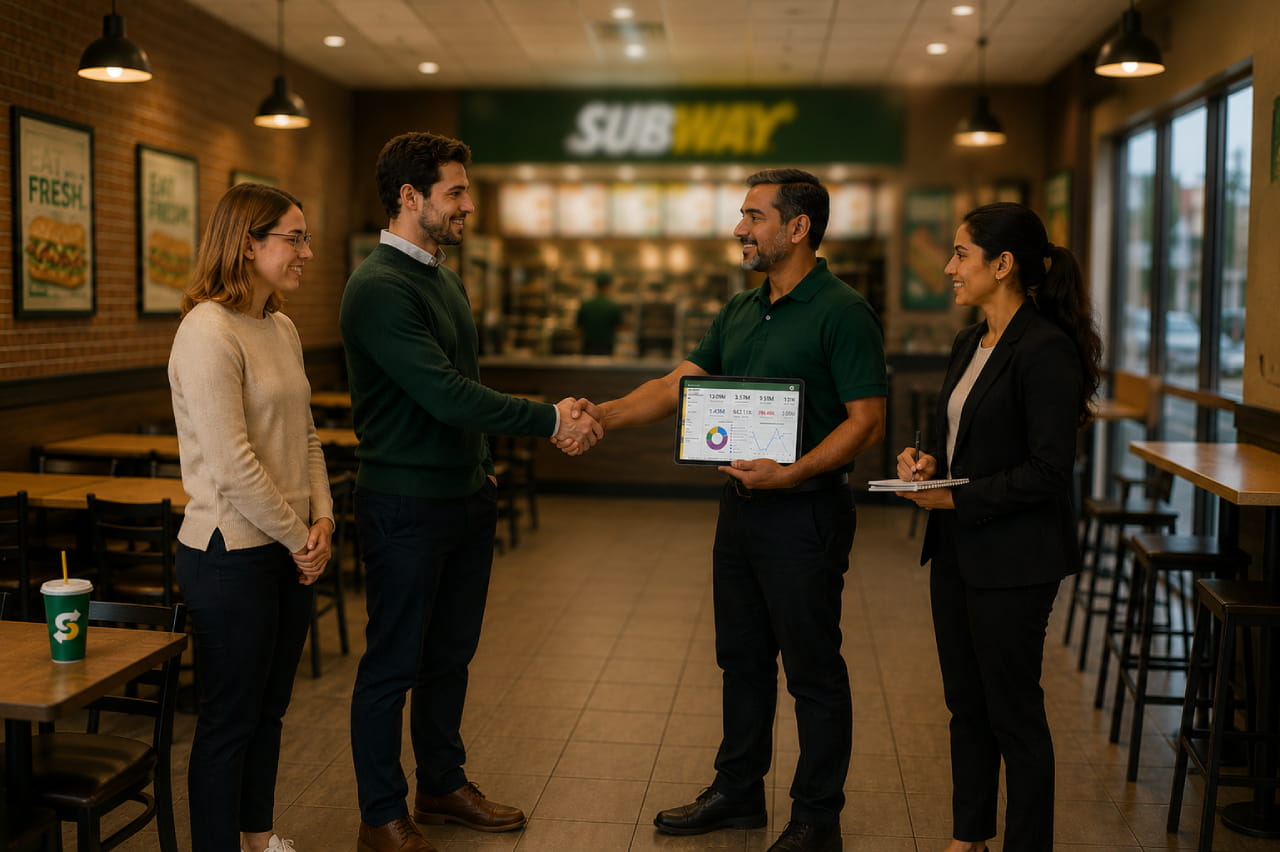
A reliable bookkeeping system for restaurants shouldn’t increase the dependence of proprietors on accountants. They should be more confident about their numbers. It is not necessary to be aware of all accounting rules or have to spend hours completing invoices. It is important to know what caused the change in profit and what transpired with labour and food and which areas require attention next week.
Bookkeeping Chef’s mission is to automate bookkeeping tasks that do not require the time of restaurant owners while also providing the restaurant owners with better financial data they can utilize.
It is recommended to begin by looking at the Weekly Numbers and Not just Month-End
Although restaurants do not operate in a calendar month, they must still have a P&L. The managers plan the work for the week. Chef orders food now. Vendors change prices now.
Bookkeeping Chef offers weekly flash reports on the top costs, along with monthly financial statements.
Prime cost includes price of the goods sold and labor two major areas that are able to move quickly in the restaurant. The information supplied by the Bookkeeping Chef reveals that the prime cost typically accounts for 60 percent of sales in restaurants.
Let’s say sales have not changed at all and the prime cost has increased. This alone won’t be the answer. It provides the person with the reason to conduct an investigation.
Did the hourly wage get more expensive? Did overtime occur? Food costs changed? Did vendor invoices seem uncharacteristically high? Did sales mix changes?
This is a lot more helpful than finding the same problem several weeks later.
Automate the repetitive Work
DIY bookkeeping doesn’t have involve manually transferring POS totals into spreadsheets, after the.
Modern restaurant bookkeeping automation can handle much all the repetitive flow of financial data. The service integrates systems like POS, QuickBooks payroll, vendor platforms, and inventory management.
Automating solely for the sake automating is not the main goal.
It’s to make it easier for manual data entry and ensure that the financial records current enough that owners can spend their time looking over data instead of creating it.
That creates a different model of bookkeeping for restaurants: technology handles more of the mechanics while the owner remains engaged with the financial meaning.
Learn to Ask the P&L Better Questions
When you stop treating the P&L as a type of test, it will become less daunting.
Start by looking at sales. Examine the costs needed to make those sales. Compare the efficiency of food and beverages. Look at the cost of labor. Take a look at the labor.
Comparing the time spans is crucial.
If the sales increased, but the profit didn’t, something between those two lines occurred. If the cost of food was up, you should ask about the changes operationally. Check sales and staffing to see if the labor percent has changed. If you notice a strange number, investigate rather than assuming the restaurant simply had poor month.
Bookkeeping Chef provides monthly P&Ls that are finalized within five business days. Business owners can look over the performance of their company without having to wait for months before receiving financial statements.
Speed is crucial, but the goal is to understand.
DIY Doesn’t Have to Mean Self-Employing Everything
There is a middle ground between delegating all financial function to someone else and being your own bookkeeper full-time.
It is possible to become an owner of a business without having to perform all accounting duties by hand.
It could involve using automated system connections to keep information flowing through, examining a weekly prime cost report, looking at the monthly P&L and asking questions when something moves unexpectedly.
The specialization in restaurant bookkeeping can assist in this way by keeping the books in order and assisting the proprietor to be aware of what they represent.
It is unlikely that you’ll have a bookkeeper who can perform all the duties.
The owner should be able to take a seat with a P&L and have a stimulating discussion on the business.
The goal is Financial Independence, Not More Reports
Restaurants already produce huge quantities of data. Another dashboard might not prove beneficial.
The real value is when an operator looks at a weekly report on prime costs and realize that something has occurred, then open the P&L and determine what to do next.
Bookkeeping Chef’s method incorporates restaurant accounting automation, weekly reports, monthly P&Ls as well as specific financial assistance for restaurants to make this feasible.
Automate repetitive tasks. Review prime cost every week. Know the language that is used in your P&L.
There is no need to be an accountant professional.
Owners who know the financial aspect of their restaurants will be able to make better choices.